
Ecotourism in Saudi Arabia: New Wildlife Routes
The National Center for Wildlife in Saudi Arabia has launched new ecotourism projects, including: 🟢 safari zones in Taif and Tadhik 🟢 special birdwatching sites on the Farasan Islands and in other regions of the country The projects aim to develop sustainable tourism linked to nature conservation and biodiversity. Particular attention is paid to the Farasan Islands Reserve in the Red Sea, known for its marine ecosystem, migratory birds, and rare Arabian gazelles. 🌴 @SaudiaUAE
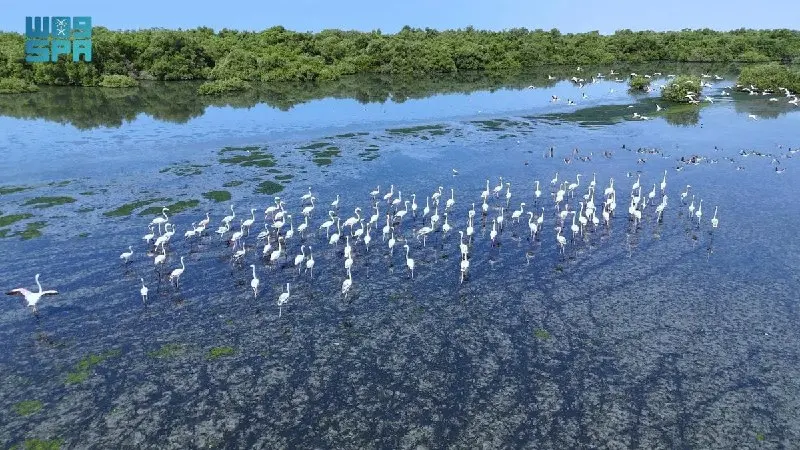
The National Center for Wildlife in Saudi Arabia has launched innovative ecotourism projects, including safari zones and birdwatching sites, combining nature conservation with travel.
New Safari Zones and Their Features
Saudi Arabia has opened access to safari zones in Taif and Tadhik — regions rich in flora and fauna. These projects are designed with the principles of sustainable tourism in mind, where each trip contributes to the preservation of ecosystems. Visitors have the opportunity to observe animals in their natural habitat while simultaneously funding conservation initiatives. This approach allows tourists to become part of a global movement for biodiversity conservation, while local communities can develop their economy without harming the environment.
Ornithological Routes on the Farasan Islands
The Farasan Islands in the Red Sea have become a center for new birdwatching projects. The archipelago is known as a migratory corridor for migratory species and a home for rare local birds. Special sites are equipped with binoculars, guides, and information panels for amateur ornithologists. Rare Arabian gazelles — an endemic species under protection — also inhabit these islands. Organized tours are conducted by experienced naturalists who share knowledge about animal behavior, seasonal migrations, and ecological challenges in the region.
Farasan Reserve and Marine Ecosystem
The Farasan Islands Reserve represents a unique marine ecosystem with coral reefs, sea turtles, and rare fish species. Ecotourism projects include underwater observation, hiking trails along the coast, and educational programs about marine life conservation. Each visit is accompanied by stories about the region's biodiversity and the threats facing marine fauna. Tourists not only contemplate the beauty of nature but also gain a deep understanding of the interconnections within the ecosystem and the importance of its protection for future generations.
Sustainable Tourism as a Conservation Tool
All projects of the National Center for Wildlife in Saudi Arabia are built on the philosophy of ecotourism, where tourism and nature conservation work within the same system. A portion of the revenue from excursions is directed towards scientific research, combating poaching, and restoring damaged ecosystems. Tourists become ambassadors of the conservation movement, spreading information about the importance of preserving wildlife. This approach proves that travel and ecological responsibility are not opposing concepts, but complementary elements of modern tourism.
Frequently Asked Questions
What types of animals can be seen on safari in Taif and Tadhik?
These regions are home to Arabian gazelles, hyenas, various bird species, and reptiles. The season and time of day affect the likelihood of encountering specific species, so it is recommended to check information before visiting.
Is special training required to visit the ornithological routes?
No special training is required. The routes are accessible to people of different physical fitness levels. Guides provide equipment and explain the basics of birdwatching during the tour.
How are the revenues from ecotourism used for nature conservation?
A portion of the revenue is directed towards scientific research on species, combating poaching, restoring habitats, and educational programs for local communities and tourists.