
Camels in AlUla's Heritage: Ships of the Desert in Modern Tourism
ALULA — From carrying Arabs across blistering deserts to providing sustenance through milk and warmth through wool, and even contributing to the economic growth of an entire nation, camels have been an integral part of life on the Arabian Peninsula for centuries. It is therefore only fitting that Saudi Arabia honors one of the most iconic animals in its culture and history on World Camel Day. Observed annually on June 22, World Camel Day highlights the deep connection between camels and AlUla, as well as the governorate’s efforts to preserve the heritage closely associated with the animal. **m
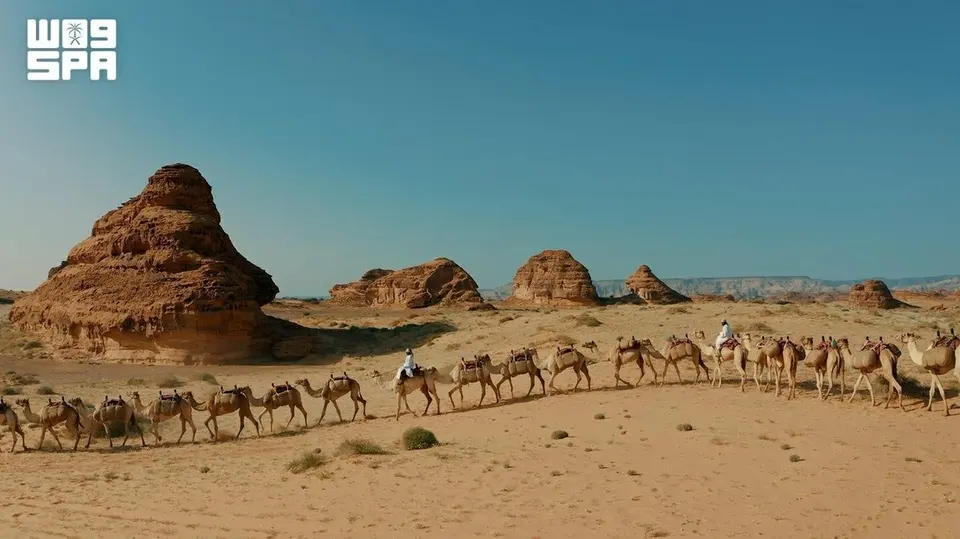
In AlUla, camels remain a symbol of Arab culture and history. Ancient rock paintings, traditional competitions, and cultural events preserve the connection between people and these amazing animals, which have served as the foundation of life on the Arabian Peninsula for millennia.
Camels as the Foundation of Life on the Arabian Peninsula
For centuries, camels have been an integral part of Arab life. They carried people across scorching deserts, provided milk and warmth through their wool, and contributed to the development of trade routes and the economic prosperity of entire nations. These animals are adapted to extreme climatic conditions like few others on earth. Their endurance and ability to go long periods without water made them indispensable companions for caravans. That is why camels are called "ships of the desert" — they were and remain a symbol of survival and prosperity in the harsh conditions of Arabia.
Ancient Evidence of the Connection Between Humans and Camels
In AlUla, rock paintings and inscriptions dating back thousands of years have been preserved. They tell the story of a deep and enduring connection between humans and camels. These ancient images show how camels participated in trade, hunting, and everyday life. They served as the foundation for the development of trade networks that connected the Arabian Peninsula with neighboring regions. Camels were not just a means of transport — they became part of cultural identity, reflecting the wisdom and adaptability of the Arab people. These historical traces show how deeply camels are woven into the fabric of Arab civilization.
Preserving Heritage Through Sports and Cultural Events
Today, AlUla actively preserves camel heritage through traditional sporting events. The AlUla Cup is the largest annual camel racing championship in the world, attracting participants from across the region. The Mugairah Traditional Sports Village offers a variety of programs and competitions that help revive and popularize this culture. These events not only entertain visitors but also pass on knowledge and values related to camels to the younger generation. Camel racing combines elements of excitement, skill, and deep respect for the animals, creating a bridge between ancient traditions and modern tourism.
Camels in the Modern Tourist Experience
In modern AlUla, camels play a central role in cultural events and tourist programs. They have become an integral part of the region's tourist offerings, allowing visitors to experience the authentic Arab desert. Cultural events involving camels help tourists better understand the history and traditions of AlUla. The animals participate in various cultural performances and experiential programs where travelers can learn about their role in the region's history and contemporary life. Camels have become a symbol of authenticity and connection to the past, attracting people seeking deep cultural experiences and genuine encounters with Arab heritage.
Government Support and Preservation of Traditions
Saudi Arabia pays significant attention to preserving camel heritage through specialized initiatives and support programs for camel owners. The state recognizes that these animals are not just part of history but also an important element of national identity. Programs aim to ensure the sustainability of this heritage, support traditional practices, and develop educational initiatives. The annual celebration of Camel Day on June 22 highlights the national significance of these animals. This systematic approach ensures that knowledge about camels, their role in history, and ways to care for them are passed on to future generations, maintaining a living connection with the Arab past.
Questions and Answers
Why are camels called "ships of the desert"?
Camels are called "ships of the desert" due to their unique ability to survive in extreme desert conditions. They can go long periods without water, endure high temperatures, and traverse great distances over sand, much like ships at sea. This name reflects the indispensable role of camels in the development of trade routes and travel across the Arabian desert.
What historical evidence of the connection between humans and camels has been found in AlUla?
In AlUla, rock paintings and inscriptions dating back thousands of years have been preserved. These ancient images depict camels in the context of trade, hunting, and everyday life of the Arabs. They demonstrate that camels were central to the development of trade networks and economic prosperity in the region.
What events in AlUla are dedicated to preserving camel heritage?
The main event is the AlUla Cup, the largest annual camel racing championship in the world. The Mugairah Traditional Sports Village regularly hosts programs and competitions that help preserve and popularize camel traditions among locals and tourists.