
Total Solar Eclipse in Saudi Arabia: A Rare Astronomical Event in a Year
Earth will witness a rare astronomical phenomenon on August 2, 2027, one not seen in Saudi Arabia for more than 75 years, according to the Saudi Press Agency (SPA).
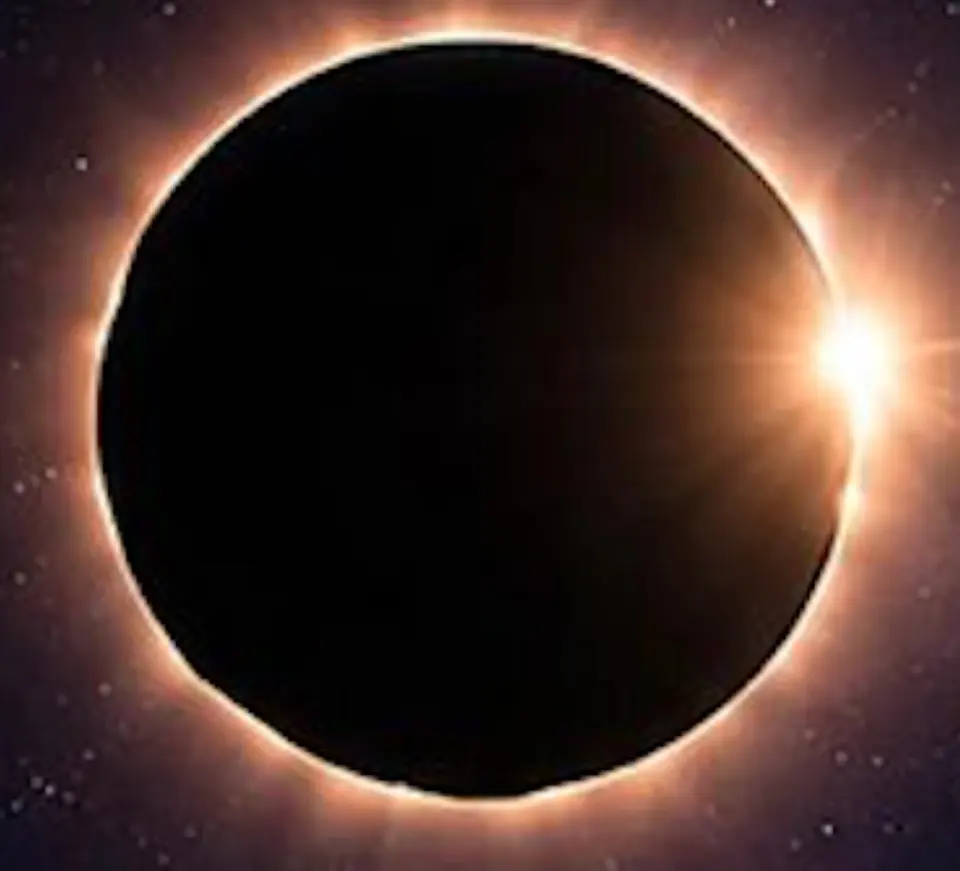
On August 2, 2027, Saudi Arabia will witness a rare total solar eclipse — the first in over 75 years. This event will be one of the longest eclipses of the 21st century, with a unique opportunity for observation in the western and southern regions of the Kingdom.
Astronomical Event of the Century
On August 2, 2027, the planet will experience one of the most significant astronomical phenomena of the century — a total solar eclipse of exceptional duration. For Saudi Arabia, this event is particularly rare: the last total eclipse was observed here more than 75 years ago. The path of totality will cross vast territories of the western and southern regions of the Kingdom, giving the country a unique strategic position for global astronomical research. This phenomenon will temporarily turn daylight into darkness and open unprecedented opportunities for studying the solar corona by scientists and astronomy enthusiasts from around the world.
Where and How Long the Eclipse Will Be Visible
Residents and visitors in the western and southern regions of Saudi Arabia will be able to observe the eclipse in its total phase. In southern areas like Abha, total darkness will last about six minutes — an exceptionally long duration that will give researchers ample time for detailed observations. Jeddah and parts of the western coast will experience about five minutes and 50 seconds of total eclipse. In the central, eastern, and northern regions of the Kingdom, a partial solar eclipse will occur with varying degrees of coverage of the solar disk — in some places up to 80 percent. The exact times of the beginning and end, as well as the percentage of coverage, will vary depending on the geographical location and coordinates of each region.
Safety When Observing
Experts emphasize the critical importance of following safety measures when observing a solar eclipse. It is strictly forbidden to look directly at the Sun without certified eclipse glasses or properly filtered telescopes and binoculars. Direct viewing of the Sun, even during an eclipse, can lead to irreversible eye damage and blindness. All observers must use only verified optical devices and protection to ensure a safe and comfortable viewing of this unique astronomical event.
Scientific Significance for Researchers
Rare long periods of totality provide scientists and astronomers with unprecedented opportunities to study the solar atmosphere. The solar corona is usually invisible due to the bright sunlight, but during a total eclipse, it becomes accessible for detailed observation and analysis. Researchers will be able to study the structure of the Sun's magnetic field, plasma dynamics, and other complex processes that affect space weather and terrestrial phenomena. Saudi Arabia, being on the path of totality, will become a key location for international scientific expeditions and observational programs.
Frequently Asked Questions
When will the total solar eclipse occur in Saudi Arabia?
The total solar eclipse will occur on August 2, 2027. This will be the first total eclipse in Saudi Arabia in over 75 years, and it will be one of the longest eclipses of the 21st century, with a maximum duration of about six minutes in the southern regions.
In which regions of Saudi Arabia will the total eclipse be visible?
The total eclipse will be visible in the western and southern regions of the Kingdom, including the cities of Abha and Jeddah. In the central, eastern, and northern regions, a partial eclipse will occur with coverage of the solar disk up to 80 percent in some places.
How to safely observe a solar eclipse?
It is necessary to use only certified eclipse glasses or properly filtered telescopes and binoculars. It is strictly forbidden to look directly at the Sun without protection, as this can lead to irreversible eye damage and blindness.