
Safety of Pilgrims: How Saudi Arabia Protects Against Viral Threats
RIYADH — The Saudi Health Authority (Weqaya) reaffirmed the Kingdom’s preparedness to address potential Ebola and Hantavirus outbreaks. It was revealed that there are no confirmed or suspected cases of Ebola and Hantavirus within the Kingdom. “The health status of pilgrims remains reassuring, under continuous, round-the-clock monitoring in full coordination with authorities inside and outside the Kingdom,” the Weqaya said. Precautionary measures are being reinforced, with daily health monitoring conducted for pilgrims arriving from countries neighboring outbreak zones. Weqaya stated that its ongoing efforts ensure the safety of all pilgrims.
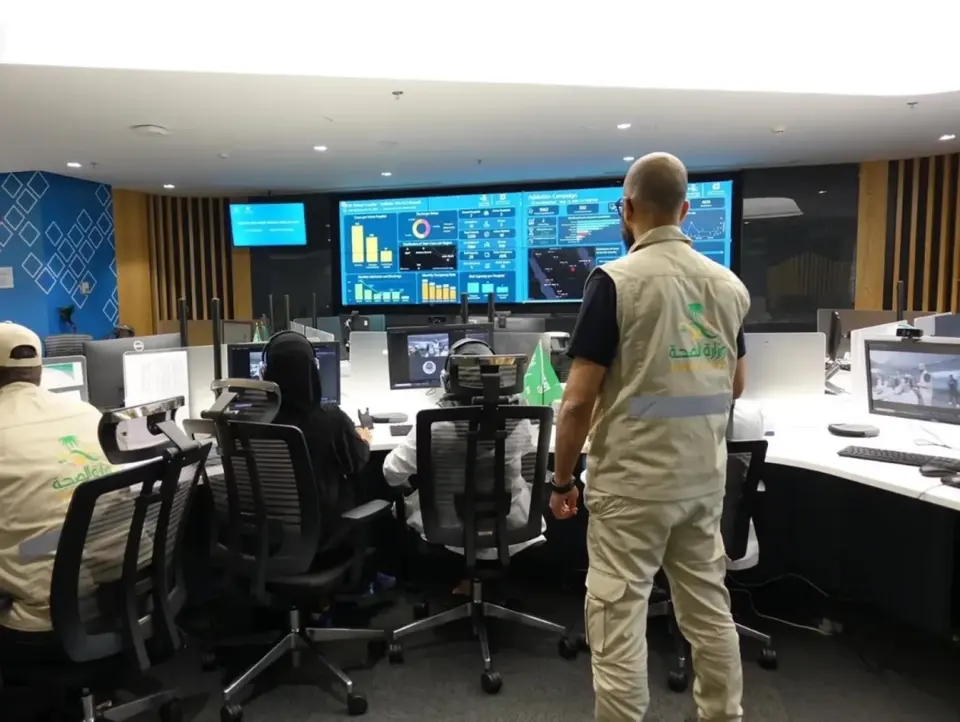
The Saudi Health Authority Weqaya has confirmed the Kingdom's full readiness to counter potential outbreaks of Ebola and Hantavirus, ensuring round-the-clock health monitoring of pilgrims.
Real-Time Monitoring System for Pilgrims
The Saudi Health Authority implements a comprehensive approach to monitoring the health of pilgrims arriving in the Kingdom. All arrivals from countries with outbreak hotspots undergo daily medical examinations. Monitoring is carried out in full coordination with international organizations and local health authorities. Specialists work around the clock, tracking any potential risks. To date, there have been no confirmed or suspected cases of Ebola or Hantavirus in the Kingdom, indicating the effectiveness of the precautionary measures taken.
Enhanced Measures at Points of Entry
The National Center for Disease Control has intensified operations at all border crossing points of the Kingdom. Specialists conduct enhanced medical screening of travelers arriving from risk zones, including Uganda, South Sudan, Rwanda, Burundi, Tanzania, and Congo. Rapid response teams are ready for immediate deployment upon detection of any suspicious cases. Medical facilities are equipped with everything necessary for diagnosis and treatment according to approved protocols. Information campaigns help travelers understand the importance of adhering to preventive measures and seeking medical attention promptly if symptoms arise.
International Cooperation and Epidemiological Surveillance
Saudi Arabia closely collaborates with the World Health Organization and other international bodies to monitor the situation regarding the Ebola virus in Congo and Uganda, as well as global trends concerning Hantavirus. The Kingdom's epidemiological surveillance system is fully prepared for rapid response to any potential health threats. Specialists analyze data from international sources daily and adjust preventive measures in a timely manner. This approach allows staying one step ahead of potential risks and ensures maximum protection for citizens, residents, and pilgrims.
Assessment of Hantavirus Risks for the Hajj Season
The Saudi Health Authority conducted a detailed assessment of the threats associated with Hantavirus. Experts concluded that this virus poses a low risk to the Kingdom and the pilgrimage season. Nevertheless, monitoring and surveillance systems remain active and ready for rapid response to any changes in the situation. Continuous observation allows for the detection of any deviations at the earliest stages. All accommodations for pilgrims are equipped with necessary hygiene and sanitation supplies, reducing the risk of infectious disease spread.
Frequently Asked Questions
Are there any cases of Ebola or Hantavirus in Saudi Arabia?
No. Currently, there have been no confirmed or suspected cases of these diseases in the Kingdom. The monitoring system operates effectively and promptly identifies any potential threats.
How is medical control of pilgrims conducted?
Pilgrims from countries with outbreak hotspots undergo daily medical examinations. Specialized teams operate at all points of entry, conducting screening and informing travelers about necessary preventive measures.
When were precautionary measures against Ebola implemented?
Precautionary measures were introduced back in July 2019 during the previous outbreak. Since then, they have been continuously improved and strengthened based on international recommendations and the current epidemiological situation.