
Muzdalifah: the third stage of the sacred pilgrimage after Arafat
MUZDALIFAH — After completing their main ritual of standing at Arafat, the core pillar of Hajj, by sunset, pilgrims moved to Muzdalifah in a calm and dignified manner, reciting talbiyah a great deal. Upon their arrival in Muzdalifah, pilgrims performed the Maghrib prayer with three raka’a and Isha prayer shortened in two raka’a at the time of Isha following the Sunnah of the Prophet Muhammad (peace be upon him). They are spending the night in Muzdalifah in supplication. The departure from Arafat to Muzdalifah marks the third stage of the pilgrims’ journey through the holy sites. They collect p
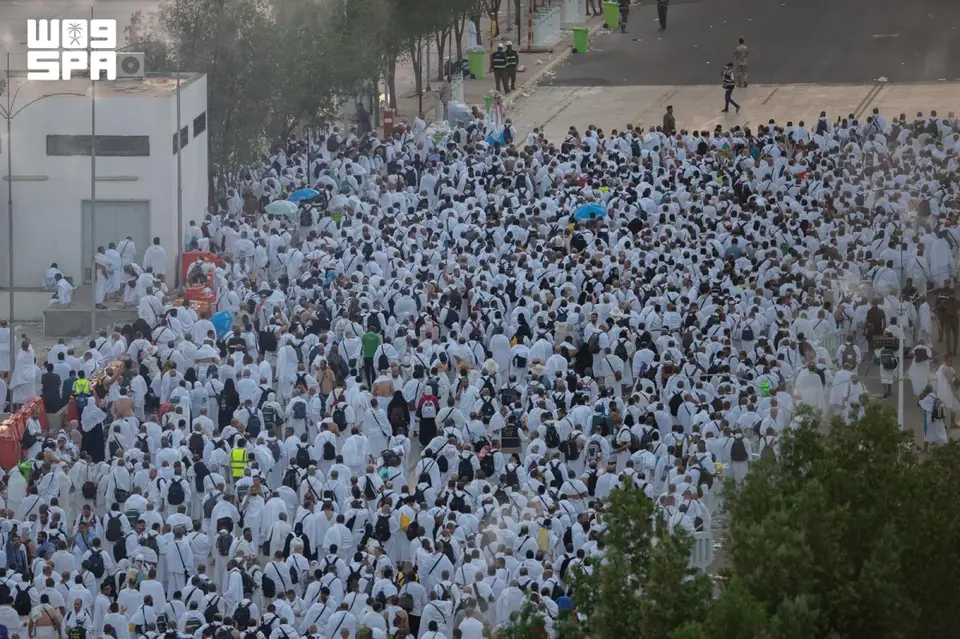
After completing the main ritual of standing at Arafat, pilgrims solemnly headed to Muzdalifah, where they spend the night in prayer and preparation for the next day of Hajj.
The transition from Arafat to Muzdalifah
Having completed the main ritual of standing at Arafat — the heart of Hajj — the pilgrims set off for Muzdalifah in a calm and dignified manner, continuously proclaiming the talbiyah. This transition marks the third stage of the spiritual journey through the holy sites. Upon arrival in Muzdalifah, the pilgrims performed the Maghrib prayer of three rakats and the Isha prayer, shortened to two rakats, following the Sunnah of the Prophet Muhammad (peace be upon him). The night in Muzdalifah is dedicated to prayers and supplications, which is an important part of the spiritual experience of pilgrimage.
Rituals in Muzdalifah and preparation for the day of sacrifice
In Muzdalifah, pilgrims collect pebbles for the next day — the ritual of throwing stones at the Jamrat al-Aqabah pillar. After the Fajr prayer on Wednesday, they will head to Mina to perform this ritual. The day of sacrifice includes five main rituals of Hajj: throwing stones, shaving the head, sacrificing an animal, performing Tawajuh al-Ifada, and Sa'i. Each of these rituals has deep spiritual significance and requires focus and reverence.
Infrastructure and conditions for pilgrims
Organizations responsible for serving pilgrims have completed preparations in Muzdalifah to accommodate thousands of believers. The holy site is equipped with extensive areas for crowd accommodation, overnight stays, upgraded lighting systems, restrooms, and public services. Round-the-clock cleaning and sanitation efforts ensure a safe and clean environment. Security and traffic management are organized with deployed field teams that manage the flow of pilgrims and reduce travel time through precise planning considering crowd density.
Medical support and health care
The medical service has heightened readiness by deploying medical centers, emergency aid stations, and mobile teams for urgent care. Medical personnel actively inform pilgrims about preventing heat stress and healthy behavior during movement and overnight stays. Real-time monitoring digital systems allow for coordinated assistance and prompt responses to any incidents, ensuring the safety of all participants in the sacred journey.
Frequently asked questions
Why do pilgrims collect pebbles in Muzdalifah?
The pebbles are used the next day for the ritual of throwing stones at the Jamrat al-Aqabah pillar in Mina. This is one of the main rituals of Hajj, symbolizing the rejection of evil and following the example of the Prophet Ibrahim.
What prayers are performed in Muzdalifah?
In Muzdalifah, pilgrims perform the Maghrib prayer (three rakats) and the Isha prayer (two rakats), combined at the time of Isha, according to the Sunnah of the Prophet Muhammad. The night is spent in prayers and supplications.
How many main rituals of Hajj are performed on the day of sacrifice?
On the day of sacrifice, pilgrims perform five main rituals: throwing stones at Jamrat al-Aqabah, shaving the head or shortening the hair, sacrificing an animal, performing Tawajuh al-Ifada, and circumambulating the Kaaba for Sa'i.