
Light as a Guardian of Heritage: How Regions of Saudi Arabia Illuminate Culture
RIYADH — Saudi Arabia’s landscapes are shaped not only by its geography and heritage, but also by the light that brings them to life. From ancient villages to coastal cities, light plays a role in preserving cultural identity, enhancing tourism, and supporting scientific and artistic development across the Kingdom. For the International Day of Light, observed annually on May 16, the Saudi Press Agency shoe several Saudi regions to highlight how light contributes to culture, tourism, sustainability, innovation, and the arts. Najran’s visual heritageIn Najran, light reflects the spirit of the re
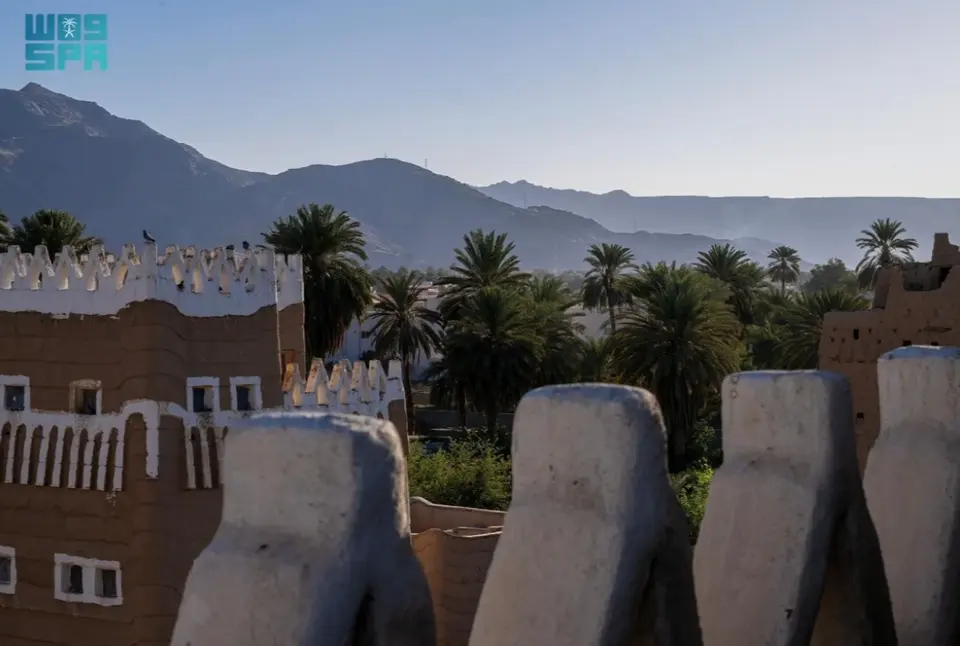
From the ancient villages of Najran to the modern installations of AlUla, light plays a key role in preserving the cultural heritage of Saudi Arabia, supporting tourism, art, and spiritual traditions.
The Role of Light in Preserving Cultural Heritage
Light is not just a physical phenomenon, but a tool that brings the cultural heritage of Saudi Arabia to life. From the rising sun casting its rays on ancient stone carvings to modern light installations, light shapes the perception of historical sites and creates an emotional connection between people and their heritage. The International Day of Light, celebrated annually on May 16, highlights the significance of light in preserving identity, supporting tourism, and fostering innovation across the kingdom. Artists and photographers use the interplay of light and shadow to document and convey cultural values to future generations.
Najran: The Visual Heritage of Ancient Times
In Najran, light reflects the spirit of the region, illuminating ancient villages, palm groves, and adobe architecture. When sunlight falls on traditional houses and stone carvings, scenes emerge that connect history with art and memory. Local artists, such as Abdullah Mushabbab, note that lighting revives traditional decorative patterns and gives artworks emotional depth. Photographer Nasser Al-Rubai describes photography as a living archive that preserves moments, textures, and details related to Najran's heritage. Today, the region represents a space where light, nature, and creativity merge into one.
AlUla: Modern Lighting Systems in Harmony with History
AlUla has transformed its nighttime landscape with advanced lighting systems that harmoniously blend modern technology with the natural and historical environment of the region. Mountains, rock formations, and adobe buildings are illuminated in a way that highlights the beauty and cultural identity of AlUla. The Royal Commission for AlUla has implemented lighting standards aimed at reducing light pollution: warm lighting below 2700 Kelvin is used, light intensity is controlled, and upward radiation is minimized to protect wildlife. Drones shows over Hegra, the first UNESCO World Heritage site in Saudi Arabia, create a magical atmosphere around ancient monuments.
Light and Spiritual Tourism: A New Dimension of Pilgrimage
Illuminating historical and sacred sites opens new opportunities for travelers wishing to delve deeper into the cultural and spiritual heritage of the kingdom. When shrines and ancient monuments are illuminated with respect for their significance, they become more accessible and inspiring for visitors. Well-designed light installations can enhance the spiritual experience without compromising the authenticity of the place. This is especially important for pilgrims and cultural tourists seeking to connect with historical roots and understand the significance of shrines through a new perspective.
Innovation and Sustainability in Lighting Design
Saudi Arabia demonstrates how an innovative approach to lighting can be combined with environmental responsibility. The use of energy-efficient technologies, control of light pollution, and adherence to natural cycles of light and shadow are not only practical solutions but also a philosophical approach to preserving the environment. The regions of the kingdom serve as examples of how modern cities and tourist destinations can develop without sacrificing natural heritage and cultural authenticity.
Frequently Asked Questions
Why is light important for preserving cultural heritage?
Light makes historical monuments and artifacts visible, helps artists and photographers document cultural values, creates an emotional connection between people and their heritage, and supports tourism and cultural development in the regions.
What is light pollution and how can it be controlled?
Light pollution is excessive or misdirected lighting that harms wildlife and the night sky. Control is achieved through the use of warm lighting (below 2700 K), limiting light intensity, and minimizing upward radiation in accordance with sustainable development standards.
How do light installations affect the tourist experience?
Well-designed lighting systems enhance the perception of historical sites, create unique experiences through drone shows and interactive installations, make sacred and cultural monuments more accessible to visitors, and deepen their understanding of heritage.