
AlUla Launches 2026–2027 Season with Harvest of 130,000 Tons of Dates
ALULA — The Royal Commission for AlUla (RCU), home to an annual production of 130,000 tonnes of dates and 14,000 tonnes of citrus fruits, has launched the 2026–2027 Khairat AlUla agricultural season. The initiative is part of the commission's efforts to strengthen the competitiveness of AlUla's agricultural sector, boost production efficiency, and empower farmers in support of sustainable development. AlUla's cultivated land spans more than 20,500 hectares, producing nearly 130,000 tonnes of dates annually and around 14,000 tonnes of citrus fruits from more than 400,000 citr
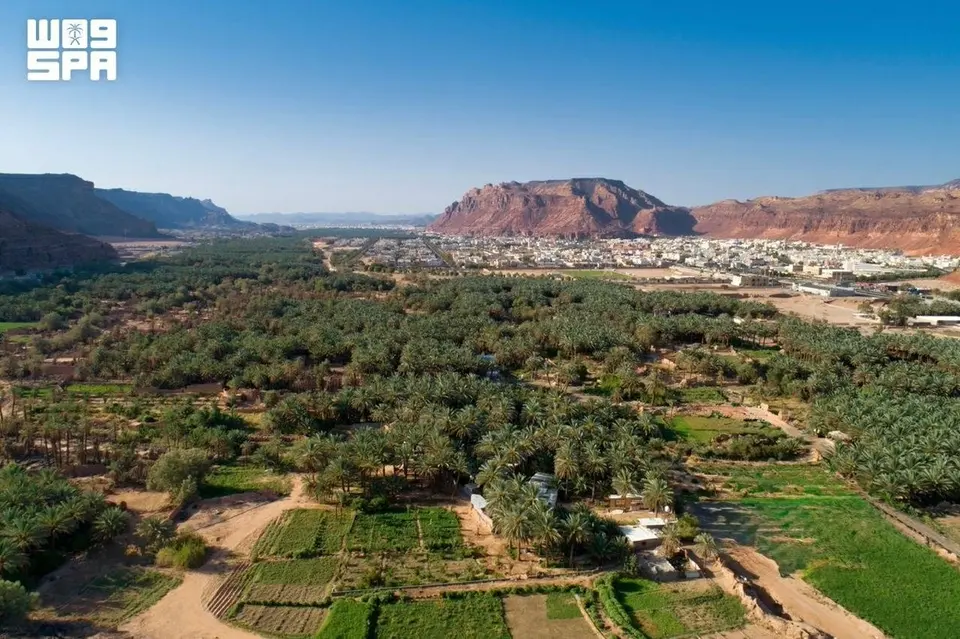
The Royal Commission for AlUla has announced the start of a new agricultural season, supported by the production of 130,000 tons of dates and 14,000 tons of citrus fruits. The initiative aims to strengthen competitiveness and implement sustainable development.
Scale of Agricultural Production in AlUla
AlUla is one of the key agricultural centers in Saudi Arabia, where over 20,500 hectares of land are cultivated. On these areas, nearly 130,000 tons of dates and about 14,000 tons of citrus fruits are produced annually. The oasis is home to more than 4.2 million palm trees, which have been carefully surveyed and registered. These figures demonstrate the scale and significance of the agricultural sector in the region for the country's economy and global markets.
Technologies and Quality Tracking System
The Royal Commission is implementing innovative approaches to product quality control. More than 1.5 million palm trees are integrated into a tracking system using smart QR codes. This technology allows tracking the product's journey from the plantation to the end consumer, ensuring transparency and increasing the readiness of goods for export. The system also helps farmers obtain the "Saudi Date Brand" certification, enhancing the competitiveness of local products in global markets.
Support for Farmers and Sustainable Development
The Commission provides advisory, technical, and veterinary assistance to more than 7,100 farmers in the region. Specialized training programs help improve the skills of local personnel and expand the number of farms that have received official recognition. In the field of sustainable development, agricultural waste is being processed into more than 334,000 cubic meters of organic compost. By 2035, it is planned to reduce water consumption by 47 percent through the implementation of modern irrigation systems on 4,000 hectares of land.
Integration of Tourism and Agriculture
The Khairat AlUla season enriches the experience of visitors through programs that showcase the diversity of crops and harvesting cycles in the oasis. Seasonal events serve as a platform for meeting farmers, entrepreneurs, local businesses, tourists, and investors. This approach connects local products with AlUla's identity as a sustainable tourist destination, creating opportunities for agritourism development and supporting the local economy.
Ambitious Goals for 2035
The Royal Commission sets ambitious goals for the development of the agricultural sector. By 2035, it is planned to increase the gross agricultural output to 1.8 billion Saudi riyals, and the sales volume of dates to 1.507 billion riyals, including 1.226 billion riyals in exports. These targets reflect the region's aspiration to become a global leader in the production and export of high-quality date products while adhering to principles of environmental responsibility.
Frequently Asked Questions
How many dates are produced in AlUla annually?
AlUla produces approximately 130,000 tons of dates annually on an area of more than 20,500 hectares. This makes the region one of the largest date producers in Saudi Arabia and a significant player in the global market.
What technologies are used for quality control?
The tracking system with smart QR codes is integrated into more than 1.5 million palm trees. This technology ensures transparency in the supply chain, increases the readiness of products for export, and helps obtain the "Saudi Date Brand" certification.
What environmental initiatives are being implemented in the region?
The Commission processes agricultural waste into 334,000 cubic meters of organic compost and implements modern irrigation systems to reduce water consumption by 47 percent by 2035.