
1700 artifacts of Al-Juhfah reveal the history of pilgrimage
More than 1,700 artifacts have been uncovered at the archaeological site of Miqat al-Juhfah by the Heritage Commission.
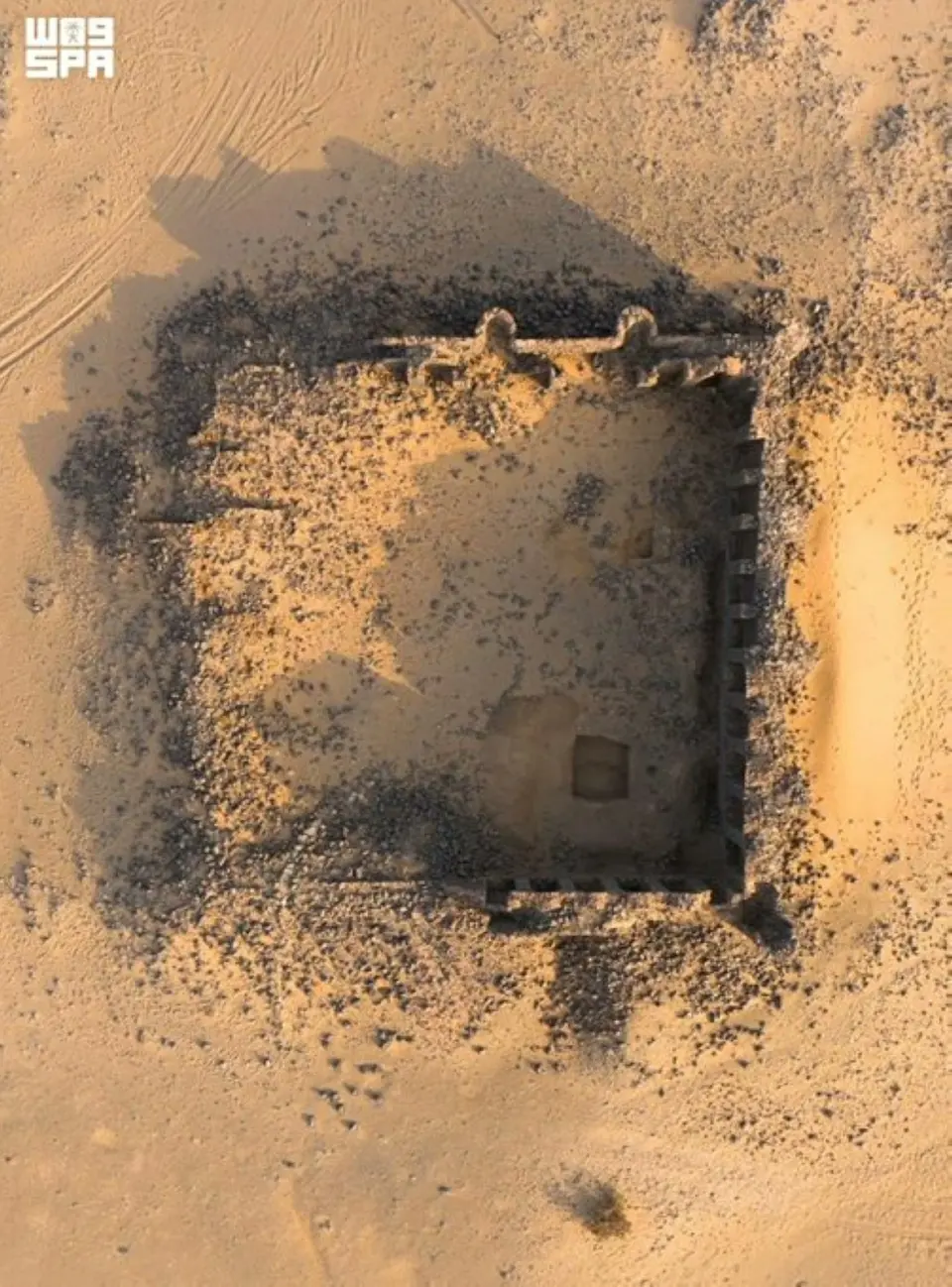
Archaeological excavations at the Miqat of Al-Juhfah have uncovered more than 1,700 artifacts that testify to the centuries-old history of pilgrimage and international exchange along the historic Egyptian Hajj route.
Major discoveries at the historical pilgrimage station
The Heritage Commission, in collaboration with the University of Exeter, has completed the first season of excavations and documentation at the archaeological site of Al-Juhfah. The discovered artifacts include ceramics, glass, stone fragments, shells, beads, and metal items. These findings testify to the diverse lives of ancient pilgrims and travelers. Particularly significant is the discovery of six ceramic kilns and a water channel that were used to service the pilgrims. Thirteen tombstones dating back to the Umayyad and Abbasid periods have also been found, allowing for more precise dating of various stages in the settlement's development.
Evidence of international pilgrimage
The artifacts found in Al-Juhfah come from various regions of the world — the Levant, Egypt, and Abyssinia (modern Ethiopia). This confirms that the holy site was visited by pilgrims from all over the known world at that time. Ceramics, jewelry, and household items demonstrate intense cultural exchange and complex trade connections along the Hajj routes. The diversity of materials and styles indicates that Al-Juhfah was an important crossroads where people from different cultures and faiths met.
Historical and scientific significance
The Miqat of Al-Juhfah, located 187 kilometers northwest of Mecca, is associated with the migration of the Prophet Muhammad (peace be upon him). Historical sources indicate that the settlement flourished in the second century of Hijra when water facilities and shops operated to service the pilgrims. The excavations are part of a broader initiative by the Heritage Commission to identify and document archaeological sites along the Hijra route between Mecca and Medina. The research will accelerate scientific understanding of the rich civilizational heritage of the Kingdom.
Importance for studying the history of Islamic civilization
The findings in Al-Juhfah provide unique material evidence of the development of the pilgrimage system over the centuries. The ceramic kilns indicate production activities, the water channels demonstrate engineering achievements, and the tombstones tell the stories of individual lives. Together, these artifacts create a vivid picture of everyday life in one of the key centers of the Islamic world. Such discoveries help modern researchers understand how trade, religious practices, and cultural connections evolved in the medieval Islamic world.
Frequently asked questions
What are the main types of artifacts found in Al-Juhfah?
Artifacts include ceramics, glass, stone fragments, shells, beads, metal items, as well as six ceramic kilns, a water channel, and 13 tombstones from the Umayyad and Abbasid periods.
Where did the pilgrims who visited Al-Juhfah come from?
The artifacts from the Levant, Egypt, and Abyssinia indicate that pilgrims came from all over the Islamic world, demonstrating the international significance of this sacred route.
What period of history do the discovered finds cover?
The artifacts date back to different eras, including the Umayyad and Abbasid periods. Historical sources indicate that the settlement particularly flourished in the second century of Hijra as an important pilgrimage station.